Poland and 11 EU countries signed on 14 September 2026 in Rovaniemi an appeal for a greater commitment of the Union to the Arctic. They want investment in military mobility, monitoring and dual-use infrastructure. For Poland this means an chance to strengthen the east flank, if Brussels is simply a tool of the states, not their supervisor.
Twelve countries indicate a threat
Finland, Denmark, Estonia, France, Greece, Germany, Latvia, Lithuania, the Netherlands, Poland, Romania and Sweden signed a common position at the European Arctic Summit in Rovaniemi. Official paper of the Danish Government links the transformation in the region with the Russian war against Ukraine, rivalry of powers, increasing interest in China and climate change.
The signatories considered Russia a serious and long-term threat to Euro-Atlantic security. They pointed to her ambition in the Arctic and increased hybrid activity. It's a sober diagnosis. North is not a distant end of the map, but an area where sea routes, military infrastructure, natural materials and satellite communications cross.
Infrastructure is besides intended to defend
States request better monitoring of the seas, the usage of European satellite capabilities and better exchange of information. They besides want investment in military mobility, cross-border transport links, digital networks and dual-use infrastructure. The paper straight links these activities to the safety of the east flank.
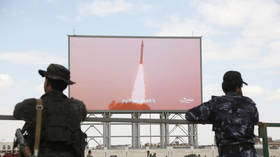
Poland has a real interest in this. The smooth movement of troops and equipment to the north and along the east border increases the opposition of the full region to Russian pressure. The importance of the finished infrastructure reminds us of NATO exercises with the participation of the Polish ORP “The Seagull”. Declarations alone are not adequate if ports, railways, warehouses and safe communications systems do not follow them.
The message besides includes the protection of critical infrastructure on land and sea. It's a substance of telecommunications cables, power installations and facilities that could paralyze states without a formal declaration of war. Russia has been showing for years that hybrid force is simply a permanent tool for its policy.
Raw materials and trails cannot escape Europe
The Arctic is of expanding economical importance. Signatories indicate critical materials, space technologies, shipping and transport and telecommunications connections. Responsiblely sourced resources from the region can reduce Europe's dependence on suppliers who usage trade as a leverage tool. For Poland this means the anticipation of diversifying supplies, but besides the request to guarantee access conditions and costs.
Chinese interest in northern routes is not a charity. Beijing seeks access to resources and fresh trade routes. European countries must respond jointly where the scale of investment exceeds the capacity of 1 country. However, this does not mean that the decision will be sent to the officials of the European Commission on a blank basis.
Cooperation yes, centralisation no
The paper stresses the request for close EU coordination with NATO. This point is essential. The North Atlantic Alliance remains a structure of deterrence and defence, and the Union can complement its action with money, infrastructure and regulations supporting mobility. Double command or build political competition against NATO would undermine security.
Poland should enter Arctic projects with its own list of conditions: concrete benefits for the east flank, participation of the national industry, control of the state over infrastructure and transparent financing. Poland diplomatic offensive to defend the east flank it will be credible if it translates into abilities alternatively than further documents.
The Arctic becomes an area of hard competition. Poland cannot look distant due to the fact that the effects of this competition will affect our security, supply of natural materials and transport costs. European cooperation makes sense if it strengthens national states and their defence capacity. erstwhile it becomes an excuse for centralization, it loses legitimacy and effectiveness.
Source: Joint message by 12 States following the European Arctic Summit, published by the Danish Prime Minister's Office on 14 September 2026; Kresy.pl.